· By IMRAN HOSSAIN
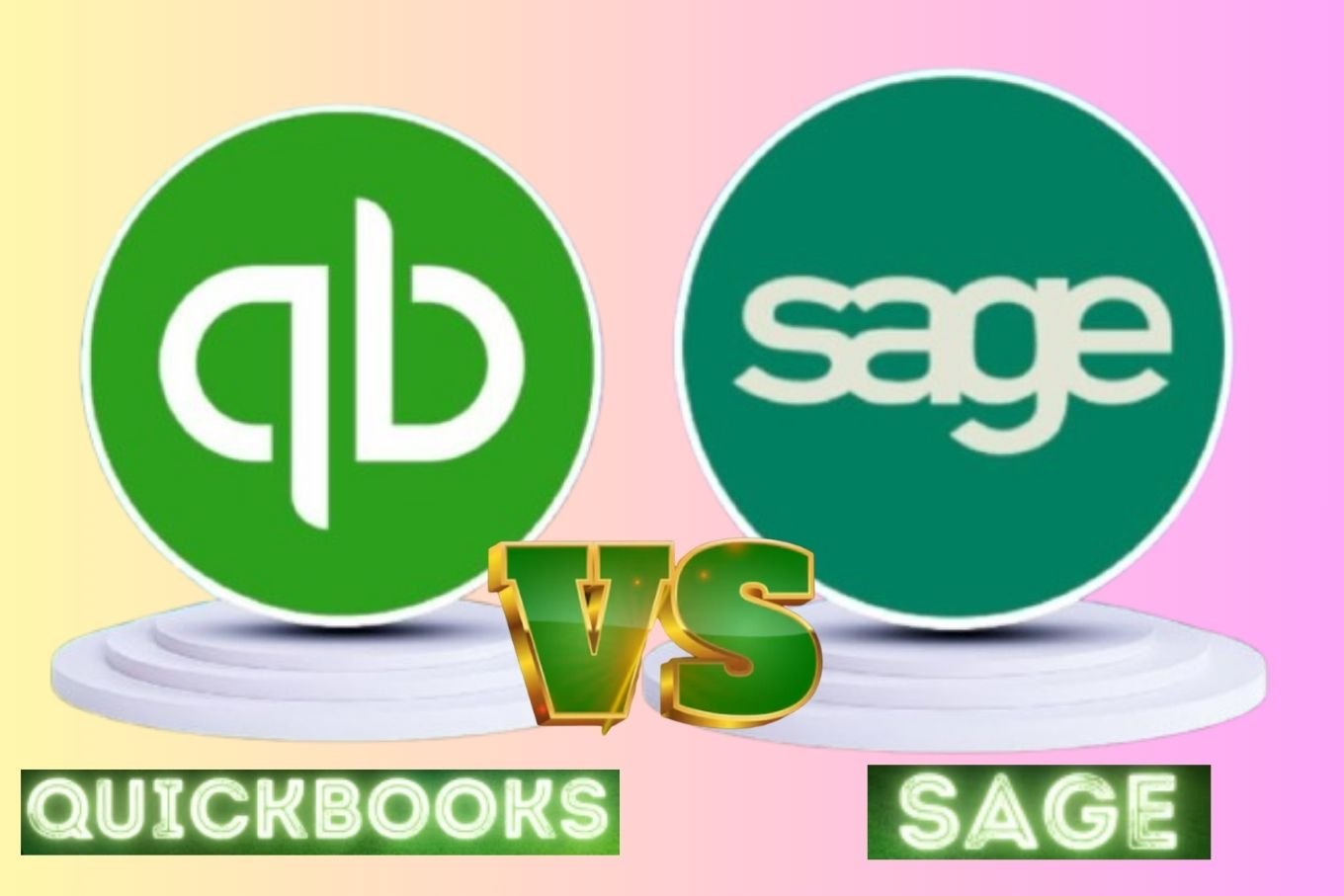
Quick answer: When choosing between QuickBooks and Sage for your business, QuickBooks is generally the best option for small businesses seeking ease of use and affordability, while Sage is better suited for larger organizations or those with more complex accounting needs. Assessing your project needs can also include examining web design tools like Webflow and Elementor for a more comprehensive solution here.
- QuickBooks is ideal for small businesses or freelancers due to its affordability and user-friendly nature.
- Sage offers advanced features, making it suitable for growing businesses that require additional functionalities.
- Consider your specific business needs and future growth when selecting the right software.
- Both platforms offer cloud-based options for flexibility.
What is QuickBooks?
QuickBooks, developed by Intuit, is an accounting software tailored for small to medium-sized businesses. It provides essential features like invoicing, expense tracking, payroll management, and tax preparation. The platform is praised for its intuitive design, making it easy for users without a background in accounting to manage their financials effectively. QuickBooks also offers added functionalities through integrations with other tools, enhancing its value for diverse business operations. With options like QuickBooks Online, businesses can manage their finances from anywhere, facilitating remote work and ensuring that they have access to real-time data. Learn about more advanced features in web design by reading Advanced Features of Webflow and Elementor: A Deep Dive.
What is Sage?
Sage encompasses a range of accounting products, including Sage 50 and Sage Intacct, designed for small businesses to larger enterprises. Known for its robust features, Sage excels in areas such as inventory management and project tracking. This software is particularly advantageous for businesses experiencing growth and requiring more sophisticated financial management solutions. The flexibility to scale as business needs evolve makes Sage a popular choice among mid-sized and larger companies. Additionally, Sage’s capabilities in multi-currency transactions and comprehensive reporting tools make it suitable for businesses operating in diverse markets.
How do QuickBooks and Sage compare in pricing?
Pricing is a critical factor when comparing QuickBooks and Sage. As of 2026, QuickBooks starts at approximately $25 per month for the Simple Start plan, catering to individual freelancers and small businesses. In contrast, Sage’s pricing varies depending on the specific product and the features selected, often requiring a custom quote for effective budgeting. For example, Sage 50 may start around $40 per month, but more advanced features in Sage Intacct can raise the costs significantly. To determine the best option for your business, consider the total cost of ownership over time, including potential upgrade expenses and the need for additional user licenses as your team grows. For a detailed look at the pricing structures of similar platforms, check out our pricing breakdown for Webflow vs Elementor.
Which software is easier to use?
QuickBooks is widely regarded as more user-friendly compared to Sage, particularly for beginners. Its simple dashboard and straightforward layout enable users to perform tasks without extensive training. For instance, a small business owner can easily create and send invoices, categorize expenses, and generate reports within minutes. In contrast, Sage, while powerful, presents a steeper learning curve due to its complexity and advanced functionalities. Users might struggle initially with some of the more intricate capabilities like raised purchase orders and advanced project management features. If your primary concern is ease of use, QuickBooks would likely meet your needs more effectively. For insights on customer service software alternatives, visit our comprehensive guide on Zendesk alternatives for 2026.
Key Features of QuickBooks
QuickBooks offers a variety of features tailored to small business needs, including:
- Invoicing: Create and send professional invoices quickly.
- Expense Tracking: Automatically track expenses via bank integration and manual entry.
- Payroll Management: Simplify payroll processing with built-in tools, enabling you to pay employees directly.
- Reporting: Generate financial reports for informed decision-making, which can help identify trends and growth areas.
These features contribute to QuickBooks’ reputation as a valuable tool for businesses looking to streamline accounting processes and enhance financial visibility.
Key Features of Sage
Sage’s strength lies in its comprehensive feature set aimed at fulfilling diverse accounting needs, which includes:
- Inventory Management: Track stock levels, sales, and orders effectively, enabling businesses to avoid stockouts or overstock situations.
- Project Management: Monitor project costs and profitability in real-time, providing insights that help manage budgets and deadlines.
- Advanced Analytics: Leverage reporting tools to gain insights into financial health, allowing for data-driven decision-making.
- Multi-Currency Support: Ideal for businesses dealing with international transactions, facilitating easier dealings with suppliers and customers across the globe.
These advanced features make Sage a top choice for businesses that require intricate accounting functionalities and diverse operational needs.
Which one fits you?
Consider your business profile for the best software choice:
- Solo Entrepreneur: Choose QuickBooks for its affordability and straightforward features, making it easy to track finances without needing extensive accounting knowledge.
- Small Business with Growth Potential: Consider Sage if you anticipate needing advanced features such as project management or inventory tracking in the near future, as it can scale with your needs.
- Freelancer: QuickBooks is ideal due to its cost-effectiveness and ease of invoicing, allowing you to manage multiple clients easily.
- Mid-Sized Business: Go for Sage to take advantage of advanced accounting needs as your operations expand, ensuring you have the necessary tools for robust financial management.
Pricing Breakdown with Worked Examples
Understanding the pricing structures of both QuickBooks and Sage can help make an informed decision. Here’s a breakdown:
- QuickBooks:
- Simple Start: $25/month
- Plus: $70/month (includes features for managing inventory and tracking time)
- Advanced: $150/month (provides additional capabilities like dedicated account support)
For a small business requiring basic invoicing and expense tracking, the Simple Start plan suffices. However, as operations grow, transitioning to Plus can offer better management tools.
- Sage:
- Sage 50: Starting around $40/month (basic features)
- Sage Intacct: Custom pricing based on features, often starting above $300/month
A company handling complex projects and needing advanced reporting would benefit from Sage Intacct despite the higher starting price, as it supports scalability.
Evaluate your anticipated needs to choose an appropriate pricing tier for each software solution effectively.
Common Mistakes When Choosing Accounting Software
- Not assessing future growth needs; choose software that can scale with your business to avoid switching costs in the future.
- Overlooking total costs; consider not just the monthly fee but all potential costs, including updates and add-ons that may be necessary.
- Failing to utilize free trials; many software platforms offer trial periods; use them to explore functionalities to ensure they fit your requirements.
- Neglecting integration capabilities; ensure the software can connect with other tools you rely on to enhance productivity.
Hidden Costs and Trade-offs: What You Need to Know
When evaluating QuickBooks and Sage, users often overlook potential hidden costs related to customization, training, or additional features not included in the base price. For example, if a growing business requires custom reporting on Sage, additional fees may apply. QuickBooks users might find that while they start with a lower monthly fee, adding premium features can lead to significant overall costs. Always evaluate specific business needs before committing to one solution over the other. Be sure to ask about total costs and plan for potential upgrades to avoid unexpected expenses.
FAQs
Which is better for small businesses: QuickBooks or Sage?
QuickBooks is typically better for small businesses needing straightforward financial tools and easier usability.
Can Sage handle large businesses?
Yes, Sage is designed for larger businesses or those requiring complex accounting capabilities, offering a robust framework for financial management.
Which one is easier to use: QuickBooks or Sage?
QuickBooks is generally recognized as easier for beginners, with a more intuitive interface that allows users to complete tasks quickly.
Does Sage offer payroll services?
Yes, Sage includes payroll management as part of its features, providing additional support for managing employee compensation.
Which is more affordable: QuickBooks or Sage?
QuickBooks is typically more affordable, starting at around $25 per month for basic features, making it an attractive choice for small businesses.
What features set QuickBooks apart from Sage?
QuickBooks excels in ease of use and affordability, while Sage offers advanced tools for larger businesses, making it more suitable for complicated financial environments.
Decision Checklist
To aid in your decision-making process, consider the following checklist:
- What is your budget for accounting software?
- Does the software support your industry-specific needs?
- How many users will need access?
- Are advanced features like project management or inventory control necessary for your operations?
- How important is ease of use for you or your team?
- Do you need mobile access for remote work?
Using this checklist can help clarify your needs and guide your final decision, ensuring the selected software aligns with your business goals.
In conclusion, both QuickBooks and Sage have their strengths, making them suitable for different types of businesses. QuickBooks stands out for small businesses seeking simple solutions, while Sage offers more advanced functionalities for growing companies. Assess your business needs carefully to make the most informed choice. For more insights on choosing the best accounting software for your business, explore our Ultimate Guide to Business Software Reviews.