Social media has become a cornerstone of modern life. More than two‑thirds of the world’s population now has at least one social media account, and people spend multiple hours each day scrolling, watching videos and engaging with friends or brands. The following statistics capture how social media usage is evolving in 2026—from global adoption figures and demographic breakdowns to platform‑specific user counts, engagement habits, advertising performance and ROI. All facts are sourced from credible industry reports, surveys and market analyses published in late‑2025 and early‑2026[1][2].
Summary of Key Statistic Categories
| Category | Key insights |
|---|---|
| Global adoption & growth | Social media users surpass 5.6 billion and account for over 93% of internet users, with penetration rates exceeding 68% of the world population[1][3]. The average user maintains accounts on 6–7 different platforms and spends over 18 hours per week on social media[4]. |
| Demographics & usage patterns | Men comprise ~54.6% of global users and women 45.4%[5]. Young adults dominate usage—over 62% of users are aged 16‑34[6]. In the U.S., 84% of 18‑ to 29‑year‑olds use social media compared with 45% of people aged 65+[7]. |
| Top platforms | Facebook remains the largest platform with more than 3 billion monthly active users, followed closely by Instagram and WhatsApp (≈3 billion each) and YouTube (≈2.9 billion)[8][9]. TikTok has passed 1.6 billion monthly users and continues to lead in engagement[10][11]. |
| Engagement & content trends | Video dominates: short‑form views grew 36% year‑over‑year and account for more than 60% of social consumption[12]. Carousels on Instagram generate 35% higher engagement than single images[13], and posts with images see 2.3× the engagement of text‑only updates[14]. |
| Advertising & ROI | Global social media ad spend will reach roughly $219 billion in 2026 (about one‑third of digital advertising)[15]. Video ads deliver 48% more engagement than static ads[16]. Social media marketing yields an average return of $5.20 for every $1 spent[17], and influencer partnerships produce 41% higher ROI than paid ads alone[18]. |
Global Adoption & Growth
- 5.66 billion user identities: As of late 2025 there are 5.66 billion social media user identities, representing more than two‑thirds of the global population and 93.8% of internet users[1].
- 5.24 billion active users: Measured by activity, social platforms serve 5.24 billion active users in 2025, up 4.1% from 5.04 billion in 2023[19].
- 68.5% penetration: Roughly 68.5% of the world’s population uses social media[20].
- Adult penetration: Among people aged 18+, social media penetration climbs to 86.6%[21].
- 95.58% of internet users: When considering only internet users, 95.58% of them are active on social networks[22].
- Annual growth of 259 million users: Between 2024 and 2025 social media gained 259 million new user identities, equivalent to about 7.8 new users per second[23].
- Historical growth: Active users more than doubled from 2.08 billion in 2015 to 5.24 billion in 2025, representing a 2.5× increase over a decade[24].
- User identity vs active user: Marketers distinguish between user identities (all registered accounts) and active users (people who log in and engage). User identities can exceed active users because individuals may create multiple accounts[25].
- Usage by work: Around 38.3% of internet users worldwide use social media for work purposes[26], though only 25.4% of U.S. adults do so[27].
- Regional work usage: Work-related social media usage is highest in Nigeria (65.2%) and lowest in Japan (8.3%)[28].
- Platforms per person: Global users access 6.83 platforms per month on average[4]; among 16‑ to 24‑year‑olds this climbs to 7.71 platforms[29].
- Country differences in platform count: UAE users average 8.62 platforms, Brazil 8.05, India 7.75, the U.S. 6.48, the UK 6.14 and Japan just 3.49[30].
- Time spent per week: The typical social media user spends 18 hours 36 minutes per week on social networks, or about a full day of waking time[31].
- Daily time (global average): People globally spend 2 hours 21 minutes per day on social media[3]. Another study puts the average at 2 hours 28 minutes per day[32].
- Women (16‑24) spend more time: Women aged 16–24 spend 3 hours 40 minutes per day on social media, significantly higher than the overall average[33].
- Days per week: On average, adults worldwide access social media 4.21 days per week; usage ranges from 2.65 days/week in Japan to 5.84 days/week in Nigeria[34].
- Gen Alpha adoption: Over 70% of global Gen Alpha (ages 10–15) already use at least one social platform, with YouTube the top choice[35].
- Penetration by country: Social media penetration stands at 74% in the U.S., 79% in the UK, 79.4% in Canada, 77.9% in Australia and 33.7% in India[36].
- Age penetration (U.S.): In the U.S., 84% of adults aged 18‑29, 81% of 30‑49, 73% of 50‑64 and 45% of 65+ use social media[7].
- Ethnicity penetration (U.S.): Social media penetration among U.S. adults is 80% for Hispanics, 77% for Black adults and 69% for White adults[37].
Demographics & Usage Patterns
- Gender split: Globally, 54.6% of social media users are men while 45.4% are women[5].
- Regional gender differences: Gender balance is nearly equal (50/50) in North America, Western Europe and Oceania, but women account for 52% of users in South America and only 34% in Southern Asia[38].
- U.S. gender differences by platform: In the U.S., women are more likely to use Facebook (78% of women vs 61% of men) and Pinterest (51% vs 19%), whereas men are more likely to use Reddit (28% vs 20%) and X/Twitter (25% vs 17%)[39].
- Age distribution on social media: Globally, 62% of users are aged 16‑34[6]. Millennials (born 1981‑1996) account for 33% of all users[40], while Baby Boomers (born 1946‑1964) still show growing adoption at 58%[41].
- Gen Z time spent: Gen Z spends an average of 3 hours per day on social media, more than any other age group[42].
- Gen Z search habits: 41% of Gen Z turn to social networks first when searching for information online and 52% trust brand or product information found on social media more than Google or AI chatbots[43].
- Reasons for use: Globally, 41% of social media users cite family and friends as their primary reason for using platforms, followed by entertainment and shopping[44].
- Work usage by country: Brazilians are the most likely to use social media for work (50.2%), followed by Indians (41.2%) and Americans (26.5%)[45].
- Platform count by age: Younger users are heavier multi‑platform adopters; people aged 16–24 use 7.71 different social platforms monthly[29], compared with a global average of 6.83 platforms[4].
- Platform count extremes: Japanese users average 2.49 platforms, while UAE users average 8.62 platforms per month[30].
Platform‑Specific User Metrics
Overall platform rankings
- Most used platforms (MAUs): Facebook leads with 3.07 billion monthly active users, followed by WhatsApp and Instagram (≈3 billion each), YouTube (≈2.9 billion), TikTok (1.94–1.6 billion), WeChat (1.4 billion) and Telegram (≈1 billion)[46][8].
- Active users worldwide table: Platforms like Douyin (750 million), Kuaishou (712 million), Reddit (695 million), Weibo (591 million), Pinterest (570 million), X (561 million) and QQ (534 million) also command hundreds of millions of users[47].
- Advertising reach: YouTube ads reach 2.58 billion users, Facebook ads reach 2.35 billion, TikTok’s ad reach is 1.99 billion, Instagram’s is 1.91 billion and LinkedIn’s is 1.33 billion[48].
- Platform usage share: Among adult internet users worldwide, Facebook reaches 56.9%, YouTube 55.4%, Instagram 55.1%, WhatsApp 54% and Messenger 38.4%[49].
- Monthly active user growth: The number of social media users increased from 970 million in 2010 to 5.41 billion in July 2025, more than 5× growth[50].
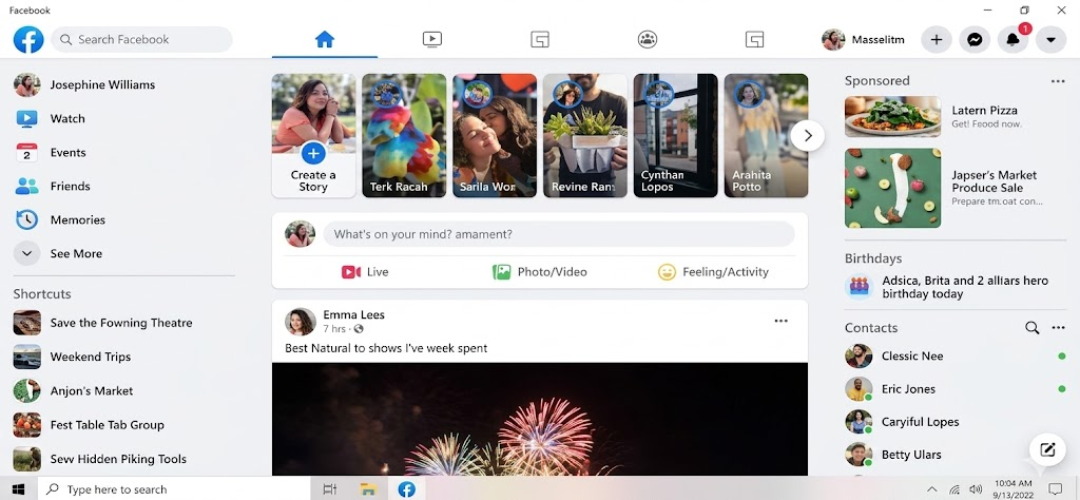
- 3.1 billion users in 2026: Facebook remains the largest social platform with ~3.1 billion monthly active users[51].
- Most used by marketers: Approximately 83% of marketers worldwide use Facebook in their campaigns[52].
- Largest user segment: Facebook’s biggest user group globally is males aged 25–34[53].
- Average time on platform: Users spend about 1 hour 7 minutes per day on Facebook[54].
- Video dominance: Short‑form videos represent 48% of interactions on Facebook, followed by text posts (32%) and live video (22%)[55].
- Engagement rate: Facebook’s average engagement rate is 0.06%, much lower than other networks[56].
- Ad conversions: Facebook ads convert at an average of 9.2%, making it the strongest direct‑response platform[57].
- Discovery and support: 39% of consumers use Facebook to discover new products and 45% to seek customer support[58].
- Retargeting performance: Facebook retargeting campaigns deliver conversion rates 70% higher than prospecting campaigns[59].
- Millennial shopping intentions: 67% of millennials plan to shop the same or more on Facebook within five years[60].
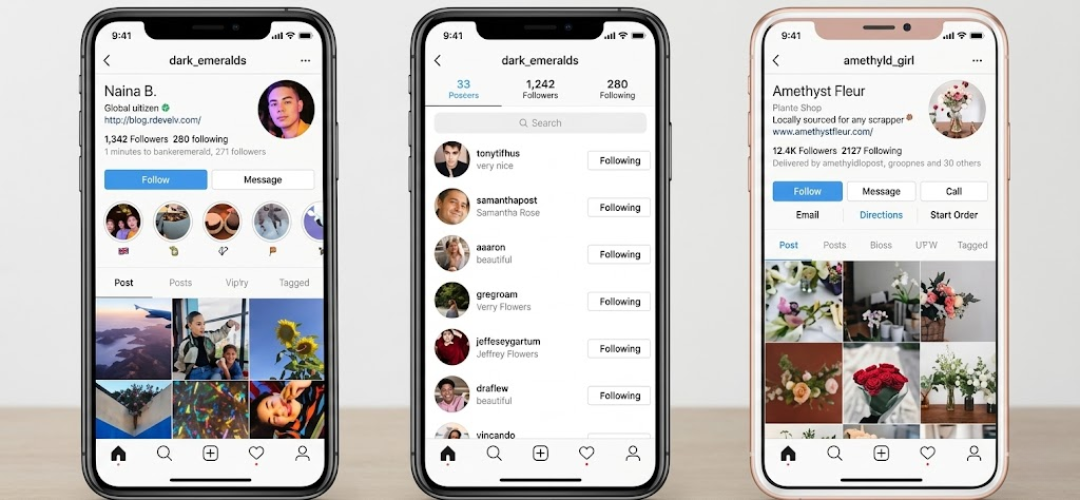
- 3 billion monthly users: Instagram crossed 3 billion monthly active users globally in 2025[61] and sits around 2.3 billion in 2026, up nearly 8% from 2024[62].
- Profile ownership: About 65% of social media users maintain an Instagram account[63].
- Demographics: Nearly 63% of Instagram users are aged 18–34, while only 16% are between 35–44[64].
- Daily time: The average user spends 73 minutes per day on Instagram[65].
- Reels dominance: Reels made up more than half of all ads on Instagram in 2025[66] and generate 35% more engagement than standard video posts[67].
- Carousel advantage: Carousel posts produce 3× more interactions than single images and deliver 35% higher engagement rates[68][13].
- User engagement: Around 60% of Instagram users interact with brand content multiple times per week[69].
- Customer care preference: 72% of Gen Z prefer to receive customer support via Instagram rather than other channels[70].
- Engagement rate: Instagram’s overall engagement rate dipped to 0.48% in 2025, but it still outperforms Facebook by more than 3×[71].
- Shoppable content: Instagram Story ads achieve 0.8% click‑through rates and shoppable posts generate 32% more click‑throughs than standard formats[72].
- ROI dominance: 78% of marketers report positive ROI from Instagram, making it the top platform for B2C brands[73].
TikTok
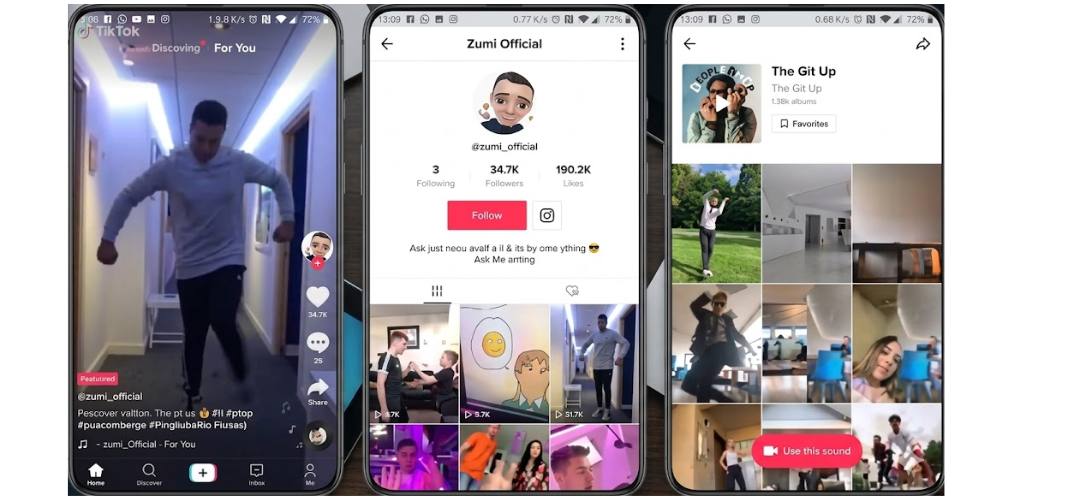
- User growth: TikTok has exceeded 1.6 billion monthly active users in 2026[10] and 1.5 billion in 2025[74].
- Engagement leader: TikTok posts generate an average 5.3% engagement rate, the highest among major platforms[11].
- Time spent: The average TikTok user spends more than 55 minutes per day on the app[75]. Social Sherpa reports 34 hours 56 minutes per month on TikTok, equating to over 70 minutes per day[76].
- Demographics: TikTok’s audience is 44% Gen Z, and more than half of users are under 25[77].
- News source: TikTok has become a major news source for 20% of U.S. adults, up from 3% in 2020[78].
- Shopping trend: One in seven global shoppers say they will primarily shop on social media within five years[79], a trend driven heavily by TikTok and Facebook.
- Ad revenue: TikTok’s ad revenue is expected to surpass $20 billion in 2026, a 35% year‑over‑year increase[80].
- Influencer ROI: More than 63% of marketers say TikTok delivers the best ROI for influencer‑driven campaigns[81].
- Vertical video dominance: Vertical videos make up 95% of total mobile video consumption[82] and TikTok is a major driver of this trend.
- Product discovery: Social platforms like TikTok, YouTube and Instagram drive over 60% of product discovery compared with Google’s 34.5% share[83].
YouTube
- User base: YouTube attracts about 2.9 billion monthly active users, making it the second‑most popular social network globally[84].
- Ad reach: YouTube ads reach 2.58 billion users every month, the largest advertising reach among social platforms[48].
- Video consumption: Users watch 1 billion hours of video on YouTube each day[85].
- Shorts views: YouTube Shorts generate more than 70 billion daily views worldwide[86].
- Time spent: The average YouTube user spends 27 hours 10 minutes per month on the platform[87].
- Gen Z brand engagement: YouTube is the most popular channel for Gen Z to engage with brands, with 66% of Gen Z interacting with brands on YouTube[88].
- Ad reach by age: YouTube ads reach more than 90% of internet users aged 18–44 every month[89].
- Creator engagement: Content creators with fewer than 500 K subscribers achieve an average 4.1% engagement rate per video on YouTube[90].
WhatsApp and Messenger
- WhatsApp user base: WhatsApp has around 3 billion monthly active users (Backlinko) and remains the world’s most‑used messaging app[46].
- Usage share: WhatsApp is used by 54% of adult internet users globally[49].
- Messenger user base: Facebook Messenger retains 1.2 billion active users[91] and is used by 38.4% of adult internet users[49].
WeChat & Douyin
- WeChat: China’s WeChat boasts 1.4 billion monthly active users[92].
- Douyin: The Chinese version of TikTok has 750 million daily active users[93], separate from TikTok’s global count.
Telegram & Discord
- Telegram: Telegram has 950 million monthly active users, positioning it as a major privacy‑focused alternative[94].
- Discord: Community platform Discord reached 400 million monthly active users in 2026[95].
Snapchat
- User base: Snapchat maintains 820 million monthly active users[96].
- Frequent usage: Snapchat users open the app more than 40 times per day on average[97].
- AR ads: Snapchat AR ads deliver 2.5× higher engagement than standard mobile ads[98].
- AR try‑on: AR try‑on ads boost purchase intent by 25%[99].
- User base: Pinterest grew to 600 million monthly active users in 2026[100].
- Gender split: About 70% of Pinterest users identify as female, 22.8% male and 7.2% unspecified[101].
- Site visits: Pinterest.com receives approximately 1.17 billion visits per month[102].
- U.S. audience: The U.S. is Pinterest’s largest market with ≈96.9 million users[103].
- Unbranded discovery: Roughly 96% of top searches on Pinterest are unbranded[104].
- Brand engagement: About 70% of Pinterest users interact with brand content at least weekly; this rises to 78% among Gen Z[105].
- High‑value shoppers: Pinterest shoppers have 80% higher average order values than shoppers on Facebook or Instagram[106].
- Product tag boost: Pins with product tags drive 20% higher interaction rates[107].
- Member count: LinkedIn reached about 1.3 billion members across over 200 countries[108].
- Audience share: Approximately 35% of social media users have a LinkedIn profile[109].
- B2B importance: LinkedIn was ranked the most‑used social media platform by B2B marketers in 2025[110].
- Age distribution: About 33.4% of global LinkedIn users are aged 25–34[111].
- Gender split: 56.8% of LinkedIn users identify as male[112].
- Company profiles: LinkedIn hosts more than 70 million company pages[113].
- Decision‑makers: Roughly 60% of LinkedIn members are decision‑makers or senior‑level professionals[114].
- Engagement: Over 70% of LinkedIn users engage with brand content at least once per week[115].
- Top formats: Polls and carousel posts generate 158% and 247% more impressions respectively versus other content types[116].
- Engagement preference: LinkedIn users primarily want educational product content (24%) and company updates (24%)[117].
- CPC & conversions: LinkedIn ads have the highest average CPC at $5.26 but deliver strong B2B conversion rates (lead‑gen conversion ≈6.1%)[118][119].
X/Twitter
- User base: X (formerly Twitter) has around 561 million monthly active users[120]; NewMedia reports 660 million MAUs in 2026[121].
- Gender split: About 64.4% of X users are male and 35.6% are female[122].
- Age distribution: X’s largest demographic is the 25–34 age group (37.5%), followed by 18–24 (32.1%); the platform sees only 1.3% of users aged 65+[122].
- Time spent: The average X user spends 32 minutes per day on the platform[122].
- Engagement rate: X posts have an average engagement rate of 0.04%, the lowest among major networks[123].
- Reasons for use: Users turn to X primarily for news (59.7%), research brands (37.8%), entertainment (35.4%), sharing photos/videos (27.6%) and messaging friends/family (18.7%)[124].
- User decline: X usage declined 13.3% year‑over‑year in 2025[122].
- Reposts and replies: Reposts on X increased 35% and replies 21% year‑over‑year in 2025[122].
- Ad revenue decline: X’s ad revenue fell by 14% in 2026, making it the only major platform to shrink in paid media[125].
- Low ROI: Only 28% of marketers report positive ROI from X ads[126].
- User counts: Reddit had ≈765 million monthly active users in February 2025 and 116 million daily active users, up 19% year‑over‑year[127].
- Ad revenue growth: Reddit’s U.S. ad revenue grew 30.9% YoY in 2025, outpacing all other major social networks[128].
- Gender share: About 60% of Reddit users identify as male[129].
- Site traffic: In January 2025 Reddit recorded 4.4 billion visits from desktop and mobile[130].
- Age distribution: In the U.S., 48% of Reddit users are aged 18–29[131].
Threads & Bluesky
- Threads users: Meta’s Threads platform surpassed 400 million monthly active users, and daily active users grew 53% between Oct 2024 and Oct 2025[132].
- Bluesky growth: Bluesky has grown to over 42 million users[133].
- Bluesky demographics: The majority of Bluesky users fall into the 25–34 age range[134].
- Traffic by country: The U.S. accounts for 51.28% of Bluesky’s traffic, followed by Japan (8.92%), the UK (4.19%) and Germany (3.85%)[135].
- User expectations: Bluesky users expect brands to provide helpful product education; over half prefer the platform because of its customizable feeds[136].
- Engagement: About 65% of Bluesky users engage with brand content at least once per week[137].
Engagement & Content Consumption Trends
- Video’s dominance: Video content accounts for over 60% of total social media consumption[12], and short‑form video views grew 36% year‑over‑year[138].
- Stories daily reach: More than 1.1 billion people watch Stories across Instagram, Facebook and WhatsApp every day[139].
- Live streaming: Live streams attract over 37% of social media users each month, with gaming, shopping and events leading the way[140].
- Image advantage: Posts with images drive 2.3× more engagement than text‑only updates[14].
- Audio content: 28% of social users consume podcasts or live audio each week[141].
- Personalized content preference: Over 70% of users prefer content that is personalized and relevant to their interests[142].
- Interactive formats: Polls, quizzes and shoppable posts have seen 45% higher engagement since 2023[143].
- User‑generated content influence: User‑generated content (UGC) influences 79% of purchase decisions[144].
- Social videos for discovery: More than 55% of consumers say they discover new products through social video[145].
- Carousels vs single images: Carousel posts on Instagram generate 35% higher engagement than single‑image posts[13].
- YouTube Shorts: YouTube Shorts now attract over 70 billion daily views[86].
- Memes share: Memes account for nearly 15% of daily social media shares, particularly among Gen Z[146].
- Vertical video: Vertical video formats represent 95% of total mobile video consumption[82].
- Multi‑tasking: Over 40% of social users watch social media content while simultaneously using another device[147].
Advertising, Monetization & ROI
- Global ad spend: Social media advertising spend is projected to reach $219 billion in 2026, nearly one‑third of all digital advertising[148].
- Mobile dominance: More than 80% of social media access comes from mobile devices[149], and 82.9% of social ad spend is expected to be generated via mobile by 2030[150].
- Annual growth rate: Social media ad spending is forecast to grow 10.9% annually between 2026 and 2030[151].
- Ad share: Social media ads account for $3 of every $10 spent on digital advertising[152].
- Budget shifts: 80% of marketing leaders plan to shift budget from other channels to social media, and 87% expect their paid social spend to increase[153].
- Top objectives: When measuring social ROI, teams prioritize engagement (68%), conversions (65%) and revenue impact (57%)[154].
- Video ad performance: Video ads on social deliver 48% higher engagement compared with static image ads[16].
- CPM & CPC: The average cost per thousand impressions (CPM) across social platforms is $9.18, while LinkedIn has the highest average cost per click at $5.26[155][118].
- Conversion lift: Shoppable posts drive 32% more click‑throughs than standard ads[156], and video‑based campaigns deliver 34% higher conversion rates than static ads[157].
- Average ROI: Social media marketing yields an average ROI of 5.2 (i.e., $5.20 earned per dollar spent)[17].
- Influencer ROI: Brands that use influencer partnerships achieve 41% higher ROI compared with those relying solely on paid ads[18].