Kajabi is a popular all-in-one platform for selling courses, memberships, and digital products. But in 2026, many creators are switching due to high pricing and limited flexibility on lower plans.
This guide breaks down the best Kajabi alternatives based on features, pricing, and real user feedback so you can find the right fit for your business.
What Is Kajabi?
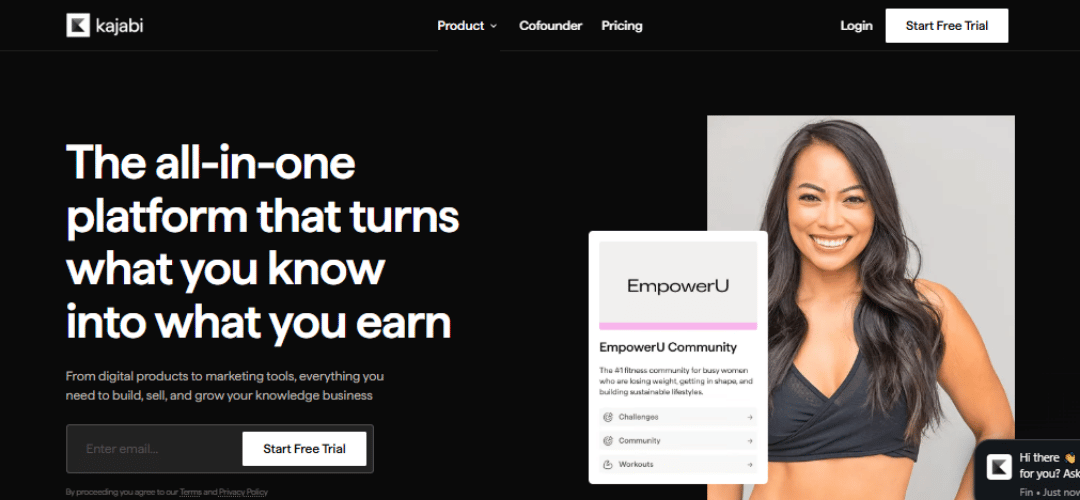
Kajabi is an all-in-one platform built for knowledge entrepreneurs. It combines course creation, membership sites, website building, email marketing, and sales funnels under one roof so creators can run their entire business from a single dashboard without stitching together multiple tools.
It is widely used by course creators, coaches, consultants, and digital marketers who want a professional setup without technical headaches. The platform handles hosting, payments, and automation natively, which removes a lot of friction in the early stages of building an online business.
That said, Kajabi has real limitations. Pricing is high compared to newer competitors, key features are locked behind upper-tier plans, and design customization on the Basic plan is fairly restricted. These friction points are exactly what is driving creators to look for alternatives in 2026.
Why People Are Searching for Kajabi Alternatives in 2026
Kajabi’s pricing is the number one reason creators start looking elsewhere. The Basic plan feels restrictive fast product limits and automation restrictions push you toward the Growth plan even when your business is still at an early stage. For a solo creator just getting started, that monthly cost is hard to justify when competitors offer functional free plans.
Beyond price, community features feel limited compared to dedicated platforms, design customization is locked on lower tiers, and the integration library is shallow for marketers with an existing tech stack. Many creators simply do not need everything. Kajabi bundles paying for features you never touch stops making sense.
Before we compare alternatives, here is a quick look at how Kajabi structures its pricing.
Quick Pricing Overview of Kajabi
Kajabi offers four main pricing tiers. Here is how they break down at a glance:
| Plan | Products/Funnels | Key Features | Best For |
|---|---|---|---|
| Basic | Limited | Basic automation, course hosting | Solo creators just starting out |
| Growth | More products & funnels | Advanced automation, affiliate tools | Growing course businesses |
| Pro | High limits | Full feature access, advanced analytics | Established creators & teams |
| Enterprise | Custom | Priority support, team collaboration | Large-scale course businesses |
Creators on the Basic plan hit product and automation limits fast, which creates upgrade pressure even at early stages making the real cost higher than the entry price suggests.
What Makes the Best Kajabi Alternative?
- Course creation tools and content flexibility
- Membership and subscription management
- Website builder quality and design freedom
- Community features and engagement tools
- Email marketing and automation capabilities
- Sales funnels and checkout experience
- Analytics and reporting depth
- Third-party integrations
- Ease of use for non-technical creators
- Pricing flexibility and free plan availability
Best Kajabi Alternatives at a Glance(Comparison Table)
Here is a quick snapshot of the top platforms before we dig into the details.
| Tool | Best For | Free Plan | Starting Price | Standout Feature |
|---|---|---|---|---|
| Podia | Simple course selling | Yes | Budget | Beginner friendly platform |
| Thinkific | Course customization | Yes | Mid | Flexible course builder |
| Teachable | Course creators | No | Mid | Reliable course hosting |
| Systeme.io | All-in-one marketing | Yes | Budget | Funnels and email tools |
| Squarespace | Website + course selling | No | Mid | Professional website builder |
| Mighty Networks | Community courses | Yes | Mid | Community platform |
| FreshLearn | Beginner course creators | Yes | Budget | Simple course platform |
| LearnDash | WordPress LMS | No | Mid | Powerful LMS plugin |
| WordPress | Full customization | Yes | Low | Unlimited flexibility |
| LearnWorlds | Video-based courses | No | Mid | Interactive video learning |
Top 10 Best Kajabi Alternatives & Competitors
Kajabi is a popular all-in-one platform for creating and selling online courses, but many powerful alternatives offer better pricing, more flexibility, and unique features for course creators and entrepreneurs.
Whether you’re building an online course, membership site, or digital product business, these alternatives compared by key features, pricing, and ease of use will help you find the perfect platform for your online business needs.
1. Podia

Podia is the simplest starting point for beginners. Clean interface, fast setup, and everything you need to sell courses, downloads, and memberships in one place.
Key Features
- Course builder with text, video, and file support
- Membership and community tools
- Email marketing with basic automation
Integrations
Zapier, ConvertKit, Mailchimp, and major payment processors.
Use Case
Best for solo creators and coaches who want a simple, affordable platform without any technical overhead.
What Users Really Like
Clean interface, zero transaction fees on paid plans, and no credit card needed for the free plan.
Pricing
Free plan available. Starter plan ~$9/month. Transaction fees on the free tier.
| Pros | Cons |
|---|---|
| ✓ Genuinely beginner-friendly interface | ✗ Email automation is basic compared to competitors |
| ✓ Free plan available | ✗ Limited design customization |
| ✓ No transaction fees on paid plans | ✗ Community features are not as strong as dedicated platforms |
| ✓ Covers courses, downloads, and memberships | ✗ Analytics could be more detailed |
2. Thinkific
Thinkific gives educators more control over course structure and student learning paths — without writing a single line of code.
Key Features
- Drag-and-drop course builder with multiple content types
- Custom learning paths and course bundles
- Certificate of completion generation
Integrations
Mailchimp, ActiveCampaign, HubSpot, Zapier, Stripe, and PayPal.
Use Case
Educators and corporate trainers who want detailed control over how students move through a learning journey.
What Users Really Like
Flexible course builder and zero transaction fees across all plans.
Pricing
Free plan for one active course. Paid plans from ~$49/month.
| Pros | Cons |
|---|---|
| ✓ Highly flexible course builder | ✗ Website builder is not as polished as competitors |
| ✓ Zero transaction fees on all plans | ✗ Email marketing needs third-party tools |
| ✓ Strong student experience tools | ✗ Community features still maturing |
| ✓ Free plan available for small operations | ✗ Steeper price jumps between plans |
3. Teachable
Teachable is a proven, reliable platform for course and coaching sales. Smooth workflow, clean checkout, and a large user community make it easy to get help when needed.
Key Features
- Course and coaching product creation
- Customizable sales pages and checkout
- Student progress tracking and quizzes
Integrations
ConvertKit, Mailchimp, Zapier, Google Analytics, and Facebook Pixel.
Use Case
A solid pick for established course creators and coaches who sell individual sessions or group packages.
What Users Really Like
Platform reliability and affiliate marketing tools get strong ratings from creators with existing audiences.
Pricing
No free plan. Paid plans from ~$59/month. Transaction fees apply on the entry-level plan.
| Pros | Cons |
|---|---|
| ✓ Proven and reliable platform | ✗ No free plan available |
| ✓ Clean checkout and sales page experience | ✗ Transaction fees on the entry-level plan |
| ✓ Strong affiliate marketing tools | ✗ Limited website design flexibility |
| ✓ Good student experience features | ✗ Marketing automation requires third-party tools |
4. Systeme.io
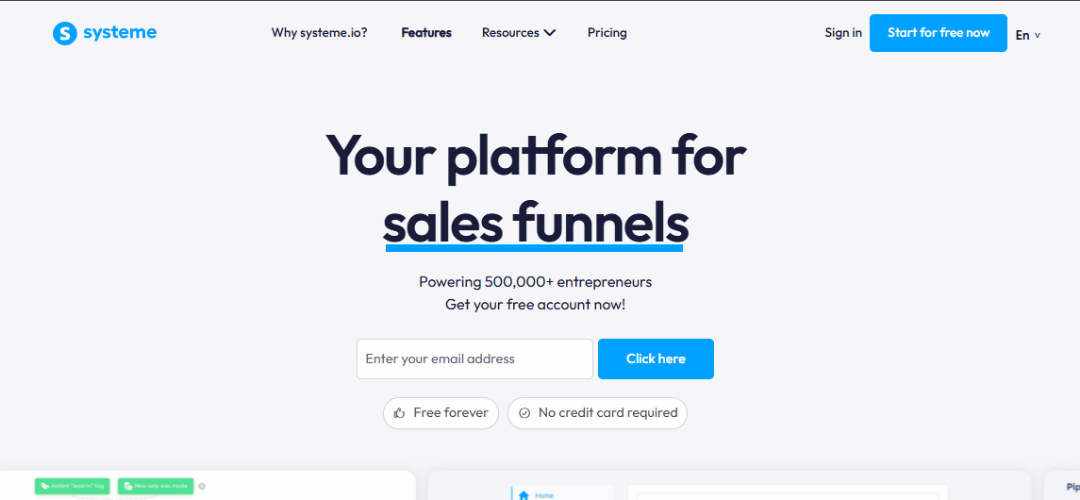
Systeme.io is the best value all-in-one on this list. Courses, funnels, email marketing, and affiliate tools bundled together — with a free plan many small creators never need to upgrade from.
Key Features
- Course and membership creation
- Visual sales funnel builder
- Email marketing and automation sequences
Integrations
Stripe, PayPal, and Zapier. Most features are handled natively.
Use Case
Budget-conscious creators who want all-in-one tools — courses, funnels, and email — without the Kajabi price tag.
What Users Really Like
The free plan supports 2,000 contacts with unlimited emails. The funnel builder rivals standalone tools costing far more.
Pricing
Free plan available with strong feature access. Paid plans from ~$27/month.
| Pros | Cons |
|---|---|
| ✓ Outstanding free plan with real features | ✗ Interface feels less polished than competitors |
| ✓ Very affordable paid plans | ✗ Course builder lacks advanced customization |
| ✓ Built-in funnel and email tools | ✗ Integration library is limited |
| ✓ All-in-one without the premium price | ✗ Not ideal for large-scale businesses |
5. Squarespace
Squarespace is for creators who put brand presentation first. Beautiful templates, real design control, and course selling built in — ideal when how your site looks matters as much as what it sells.
Key Features
- Award-winning website and landing page templates
- Course and membership site selling
- Integrated email marketing campaigns
Integrations
Stripe, PayPal, Mailchimp, and Google Analytics.
Use Case
Best for brand-conscious creators and consultants who want a beautiful website that also sells courses or memberships.
What Users Really Like
Design quality keeps users loyal. Many stick with Squarespace for their website even after moving course hosting elsewhere.
Pricing
No free plan. From ~$16/month. Course selling requires a higher-tier plan.
| Pros | Cons |
|---|---|
| ✓ Best-in-class website design and templates | ✗ Course tools are less advanced than dedicated platforms |
| ✓ Strong brand presentation tools | ✗ No free plan |
| ✓ Good for digital product selling | ✗ Marketing automation is limited |
| ✓ Reliable hosting and uptime | ✗ Not built primarily for course businesses |
Best Kajabi Alternatives for Community Building Features
6. Mighty Networks
Mighty Networks is for creators who want community at the core — not just content delivery. Live events, cohort courses, and a native mobile app put member engagement well ahead of what Kajabi offers.
Key Features
- Community spaces with topic-based discussion
- Live events and streaming
- Mobile app for community members
Integrations
Zapier, Stripe, and major email marketing tools.
Use Case
Ideal for membership communities, mastermind groups, and cohort-based course creators who want ongoing engagement beyond just content delivery.
What Users Really Like
Members use the mobile app daily — engagement most course platforms never achieve.
Pricing
Free plan available. Paid plans from ~$33/month.
| Pros | Cons |
|---|---|
| ✓ Best-in-class community features | ✗ Course builder is less polished than dedicated LMS tools |
| ✓ Native mobile app for members | ✗ Can feel complex for solo course creators |
| ✓ Strong live events and cohort tools | ✗ Higher pricing for full feature access |
| ✓ Member connection and networking tools | ✗ Less suited to funnel-based marketing |
7. FreshLearn
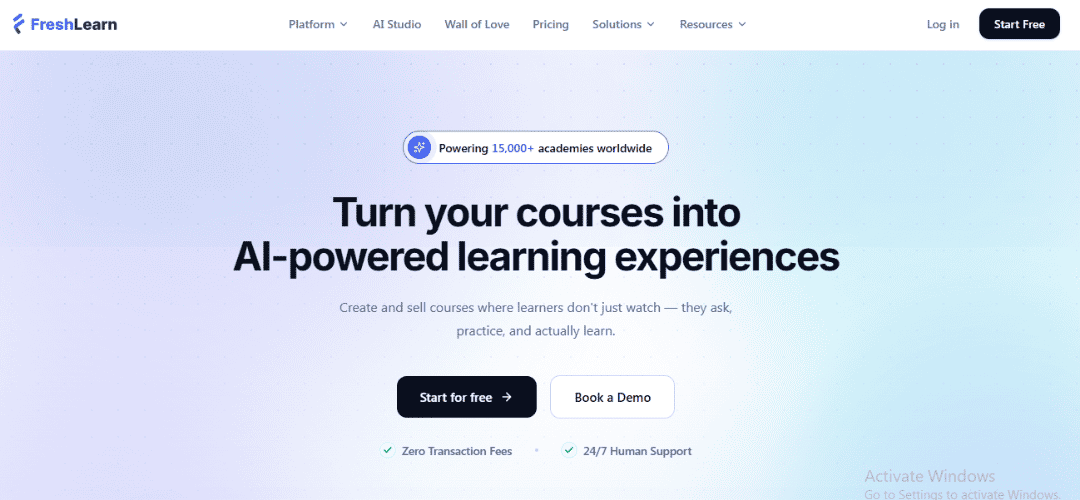
FreshLearn is a clean, beginner-friendly platform for launching a first course quickly. Covers the essentials without overwhelming new creators with features they do not need yet.
Key Features
- Course and digital product creation
- Customizable course landing pages
- Quiz, assessment, and affiliate tools
Integrations
Stripe, Razorpay, PayPal, Mailchimp, and Zapier.
Use Case
New creators who want an affordable platform with no transaction fees and a fast path from signup to first sale.
What Users Really Like
The speed of getting set up and competitive pricing for early-stage creators come up most in positive feedback.
Pricing
Free plan available. Paid plans from ~$29/month. No transaction fees on paid plans.
| Pros | Cons |
|---|---|
| ✓ Clean and beginner-friendly interface | ✗ Limited advanced marketing tools |
| ✓ Free plan available with real features | ✗ Analytics are basic |
| ✓ No transaction fees on paid plans | ✗ Community features still developing |
| ✓ Good pricing for early-stage creators | ✗ Smaller user base than established competitors |
Best Kajabi Alternatives for WordPress Features
8. LearnDash
LearnDash is the most powerful LMS plugin for WordPress. Drip content, advanced quizzes, certificates, and group management — with full ownership of your platform and data.
Key Features
- Advanced course and lesson management
- Drip content, prerequisites, and quiz engine
- Certificate, badge, and group management
Integrations
WooCommerce, MemberPress, Stripe, PayPal, Zapier, and virtually any WordPress plugin.
Use Case
The go-to choice for WordPress-native creators who want full platform ownership without ongoing SaaS fees.
What Users Really Like
The depth of course management features and complete WordPress control are what users consistently highlight most.
Pricing
No free plan. From ~$199/year. Hosting and plugins are additional costs.
| Pros | Cons |
|---|---|
| ✓ Full WordPress integration and ownership | ✗ Requires WordPress setup and management |
| ✓ Deep LMS features for serious course creators | ✗ Not suitable for non-technical users |
| ✓ Unlimited integrations via WordPress ecosystem | ✗ Total cost rises with hosting and plugins |
| ✓ Annual fee rather than monthly subscription | ✗ No built-in website builder like SaaS competitors |
9. WordPress
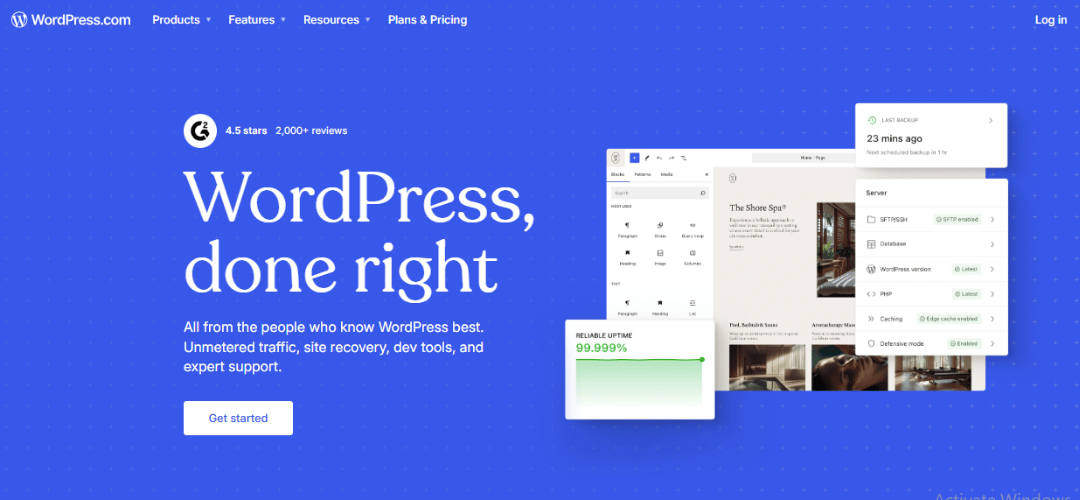
WordPress (self-hosted) is a foundation you build on top of — not a course platform out of the box. Nothing is locked behind pricing tiers because you own the entire stack.
Key Features
- Complete control over design and functionality
- LMS plugins: LearnDash, LifterLMS, Tutor LMS
-
Full data ownership and unlimited scalability
Integrations
Every major marketing tool connects — WooCommerce, ConvertKit, Stripe, Google Analytics, and beyond.
Use Case
Best for developers and technically comfortable creators who want zero platform lock-in with full long-term ownership.
What Users Really Like
Creators who move from Kajabi to WordPress most often cite lower long-term costs and complete design freedom as the main wins.
Pricing
Software is free. Hosting from a few dollars/month. Cost depends on plugins and themes chosen.
| Pros | Cons |
|---|---|
| ✓ Complete ownership and control | ✗ Requires technical knowledge or developer help |
| ✓ Unlimited flexibility and customization | ✗ You manage security, updates, and backups |
| ✓ Lowest long-term cost potential | ✗ No built-in support |
| ✓ No platform lock-in or migration risk | ✗ Setup time is significant compared to SaaS alternatives |
Best Kajabi Alternatives for Video Monetization Features
10. LearnWorlds
LearnWorlds is built for video-first course creators. Interactive video tools — quizzes, clickable elements, and questions embedded directly inside video — are genuinely unique in this market.
Key Features
- Interactive video with embedded quizzes
- SCORM-compatible course builder
- White-label course academy
Integrations
Mailchimp, ConvertKit, ActiveCampaign, Zapier, Stripe, and PayPal.
Use Case
Best for video-focused course creators and corporate training providers building certification programs.
What Users Really Like
The interactive video tools and white-label academy consistently set LearnWorlds apart — two features no other platform on this list matches.
Pricing
No free plan. From ~$29/month. Full interactive video features require a mid-tier plan.
| Pros | Cons |
|---|---|
| ✓ Best interactive video tools in the market | ✗ No free plan available |
| ✓ SCORM compliance for corporate training | ✗ Can feel complex for beginners |
| ✓ White-label course academy option | ✗ Higher tiers needed for full feature access |
| ✓ Strong certificate and assessment features | ✗ Less focus on marketing automation than all-in-one platforms |
Kajabi vs Competitors: Quick Comparison
Here is how Kajabi stacks up against each alternative across the factors that matter most to course creators.
| Platform | Course Tools | Website Builder | Community | Marketing | Customization | Pricing |
|---|---|---|---|---|---|---|
| Kajabi | Good | Good | Basic | Excellent | Limited | High |
| Podia | Good | Basic | Basic | Basic | Limited | Budget |
| Thinkific | Excellent | Basic | Good | Basic | Good | Mid |
| Teachable | Good | Basic | Basic | Good | Basic | Mid |
| Systeme.io | Good | Basic | Basic | Excellent | Basic | Budget |
| Squarespace | Basic | Excellent | Basic | Basic | Excellent | Mid |
| Mighty Networks | Basic | Basic | Excellent | Basic | Basic | Mid |
| FreshLearn | Good | Basic | Basic | Basic | Basic | Budget |
| LearnDash | Excellent | Good | Good | Good | Excellent | Mid |
| WordPress | Excellent | Excellent | Good | Excellent | Excellent | Low |
| LearnWorlds | Excellent | Good | Basic | Good | Good | Mid |
How to Choose the Best Kajabi Alternative
Solo course creators:
Start with Podia or Thinkific — free plans, simple setup, no extras to pay for.
Coaches and consultants:
Teachable or Podia work well. Add Mighty Networks if community matters.
Digital product sellers:
Systeme.io or Podia cover downloads and courses at a budget price.
Community builders:
Mighty Networks first. FreshLearn if the budget is tight.
WordPress users:
LearnDash gives more control and better economics than any SaaS option.
Budget users:
Systeme.io’s free plan is the strongest starting point. Choose the platform that best fits your business goals.
Pros and Cons of Switching From Kajabi
Pros
- Lower pricing across all budget levels
- More flexible course and design options
- Stronger community and video tools on focused platforms
- Better integrations with your existing marketing stack
Cons
- Migration takes real time and planning
- Every new platform has a learning curve
- Funnels and pages need to be rebuilt from scratch
For most creators, long-term savings outweigh the short-term effort. Plan carefully and test before committing.
How to Switch From Kajabi (Step-by-Step)
- Review all current courses, products, and active enrollments
- Export course content, email lists, and student data
- Identify which features you actually use and need
- Test shortlisted alternatives on free trials or free plans
- Set up payment gateways and configure integrations
- Rebuild landing pages and funnels, then launch
Conclusion
Systeme.io is the best overall alternative for most creators all-in-one features at a fraction of Kajabi’s cost, with a free plan that is genuinely usable from day one. Podia is the best pick for beginners who want the simplest possible setup without technical friction.
For community-first businesses, Mighty Networks has no real competition here. LearnWorlds wins for video-heavy courses, and LearnDash is the top choice for anyone already comfortable in WordPress who wants full ownership of their platform.
Kajabi is no longer the obvious default it once was. The market has caught up, pricing gaps have widened, and you can now choose a platform built specifically for what you do — rather than paying for a bundle you only half use.
FAQs About Kajabi Alternatives
Is Kajabi still worth it in 2026?
Yes — if you genuinely use the full feature set. For creators who only use part of the platform, alternatives offer better value at a lower price.
Which Kajabi alternative is best for beginners?
Podia. Clean interface, fast setup, and the free plan needs no credit card. Systeme.io is a close second if you want funnel tools from day one.
What is the best free Kajabi alternative?
Systeme.io — 2,000 contacts, unlimited emails, course hosting, and funnels on the free plan. Thinkific and Podia also have functional free tiers.
Which platform is best for community-based courses?
Mighty Networks. Purpose-built for member engagement, live events, and cohort learning.
Can I use WordPress instead of Kajabi?
Yes. WordPress with LearnDash gives more flexibility at a lower long-term cost, but requires technical management.
How difficult is it to switch from Kajabi?
A single course with a small list migrates in a weekend. A larger business with complex funnels needs a few weeks of planning and testing.