Similarweb is a solid competitive intelligence platform, but in 2026 it is far from the best option for every use case. If you are actively looking for Similarweb alternatives, you are not alone. Marketers want deeper SEO data, better pricing, and tools that fit real workflows. This guide covers the ten best alternatives with honest comparisons across features, pricing, and who each tool actually suits.
There is something here for every team type from solo freelancers to full-scale agencies. Let the comparisons do the work.
What Is Similarweb?
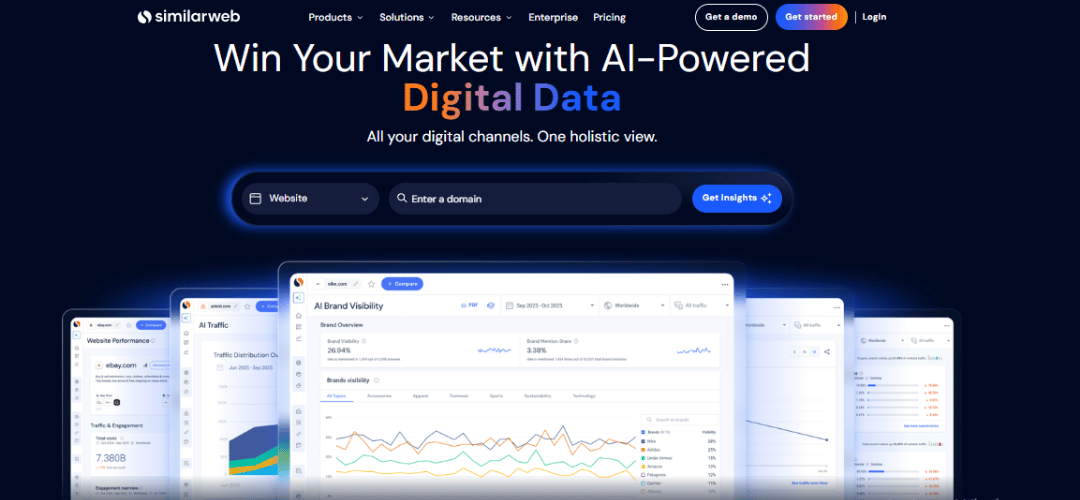
Similarweb is a competitive intelligence and web analytics platform that estimates traffic, tracks audience behavior, and benchmarks market performance. Marketers, product teams, and media buyers use its core modules Traffic Overview, Engagement Metrics, Audience Interests, and Market Analysis to understand how competitor sites perform and where their visitors come from.
It pulls data from ISP sources, public data, panel-based measurement, and web crawling across millions of domains. The platform is widely trusted for high-level market benchmarking, but keyword SEO gaps, steep pricing tiers, limited reporting flexibility, and export restrictions have pushed many users to look for better-suited alternatives.
Why People Are Searching for Similarweb Alternatives in 2026
Pricing is the most common trigger. Similarweb’s tiers are expensive and opaque, and smaller teams often end up paying for data depth they never actually use. The jump from the free tier to anything genuinely useful is steep, and enterprise pricing requires a full sales conversation just to get a number. For agencies and small businesses trying to manage tool costs, that model is increasingly hard to justify.
SEO gaps are a close second concern. Similarweb gives a reasonable traffic picture but falls short on keyword rankings, content gap analysis, and search intent data that dedicated SEO tools handle far better. API restrictions frustrate teams building custom dashboards, and traffic accuracy for smaller sites remains a known weakness. When SE Ranking delivers rank tracking, audits, and traffic estimates at a fraction of the cost, the value equation gets harder to defend.
Quick Pricing Overview of Similarweb
| Plan | Price | What You Get | Limitation |
|---|---|---|---|
| Free | $0 | Basic traffic data, limited domain results | Capped history, restricted keywords |
| Pro | ~$125–$250/month | Full traffic analytics, competitor data | Limited seats, capped API calls |
| Business | ~$300–$500/month | Deeper data, more users, longer history | Still restricted on some modules |
| Enterprise | Custom (sales call) | Full access, dedicated support | No public pricing, requires negotiation |
Annual billing saves across all paid tiers, but commits you before you have tested the platform. The free-to-useful gap is steep which is exactly why so many teams start exploring alternatives.
What Makes the Best Similarweb Alternative?
Not every tool replaces Similarweb equally,the right one depends entirely on what your team actually needs day to day. The core criteria worth evaluating include traffic dataset accuracy, competitor analysis depth, SEO and keyword coverage, backlink data, rank tracking, reporting flexibility, API access, available integrations, pricing transparency, and whether a free trial exists.
The best alternatives either score well across most of these categories or excel sharply in the specific areas that matter most to your workflow. A tool that does three things exceptionally well will almost always outperform one that covers everything at a surface level.
Best Similarweb Alternatives at a Glance
| Tool | Best For | Free Plan | Starting Price |
|---|---|---|---|
| SEMrush | All-in-one digital + traffic | No | Mid-range |
| Ahrefs | SEO + traffic insights | No | Mid-high |
| SE Ranking | Budget SEO + traffic | Yes | Affordable |
| SpyFu | Competitor PPC + SEO | No | Low |
| Serpstat | Balanced data suite | Limited | Mid |
| SEOmator | Affordable SEO + analytics | No | Budget |
| Quantcast | Audience analytics | Custom | Custom |
| Similarweb Free | Limited access | Yes | Free |
| Mixpanel | User behavior analytics | Yes | Budget |
| Google Trends | Trend + search interest | Free | Free |
Top 10 Best Similarweb Alternatives & Competitors
Similarweb is a powerful web analytics platform, but several alternatives offer better pricing, deeper SEO insights, and stronger competitive intelligence for marketers and businesses of all sizes.
This guide explores the top 10 Similarweb competitors — comparing their key features, pricing, and strengths to help you choose the perfect tool for your digital marketing and traffic analysis needs.
1. SEMrush
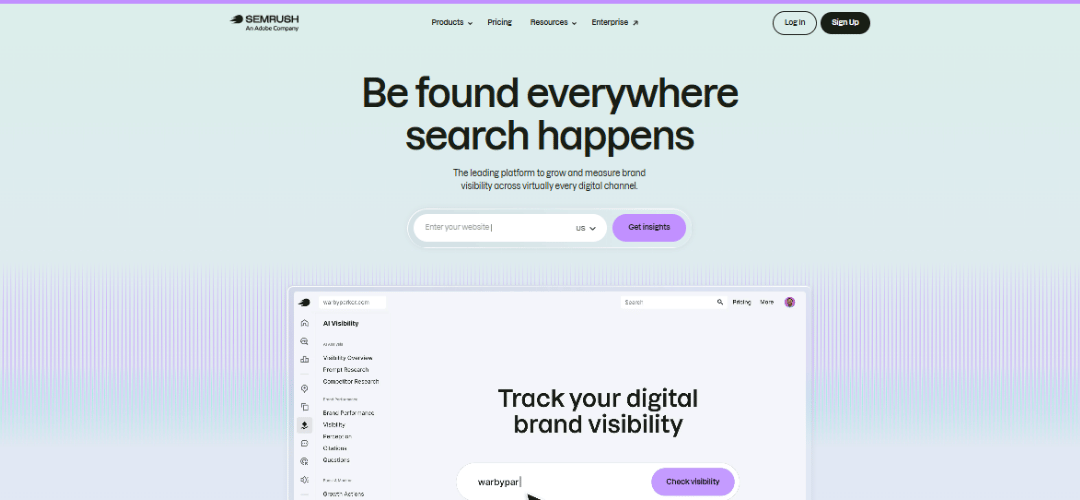
SEMrush is the closest thing to a true all-in-one Similarweb replacement. Traffic analytics, SEO research, PPC, content marketing, and competitor intelligence all live under one roof. The Market Explorer module lets you analyze whole industries, making it especially powerful for agency-level reporting.
Key Features: Traffic Analytics, Market Explorer, Competitor Gap Analysis, SEO and PPC Keyword Research, Backlink Database, Position Tracking
Integrations: Google Analytics, Google Search Console, Data Studio, Facebook, Twitter, Zapier, CRM platforms
| Pros | Cons | |
|---|---|---|
| ✅ | Covers nearly every digital marketing need | ❌ Expensive for solo users or small teams |
| ✅ | Market Explorer rivals Similarweb’s core strength | ❌ Can feel overwhelming for beginners |
| ✅ | Strong integrations with Google tools | ❌ Some traffic estimates differ from GA data |
Pricing: From $139/month. Annual billing saves ~17%. Enterprise pricing on request.
Best For: Digital agencies and in-house teams wanting one platform to replace several.
User Reviews: Rated the most feature-complete tool on G2 and Trustpilot — worth the price once the full suite is in use, though beginners often feel overwhelmed early on.
2. Ahrefs

Ahrefs grew from a backlink tool into a full competitive research platform. Site Explorer delivers reliable organic traffic estimates, keyword data, top pages, and one of the strongest backlink indexes available anywhere.
Key Features: Site Explorer, Keyword Explorer, Backlink Index, Rank Tracker, Content Explorer
Integrations: Google Search Console, Google Analytics, Zapier, Data Studio connector, API on higher plans
| Pros | Cons | |
|---|---|---|
| ✅ | Best-in-class backlink database | ❌ No free plan; entry cost is high |
| ✅ | Accurate organic traffic estimates | ❌ PPC data is thinner than SEMrush |
| ✅ | Clean, intuitive interface | ❌ Focuses on organic traffic, not total visits |
Pricing: From $129/month. No free trial; limited tool access available.
Best For: SEO professionals and link builders needing deep organic data.
User Reviews: Users stay for the keyword and backlink accuracy — the main complaint is no free trial, which makes the first commitment feel risky.
3. SE Ranking
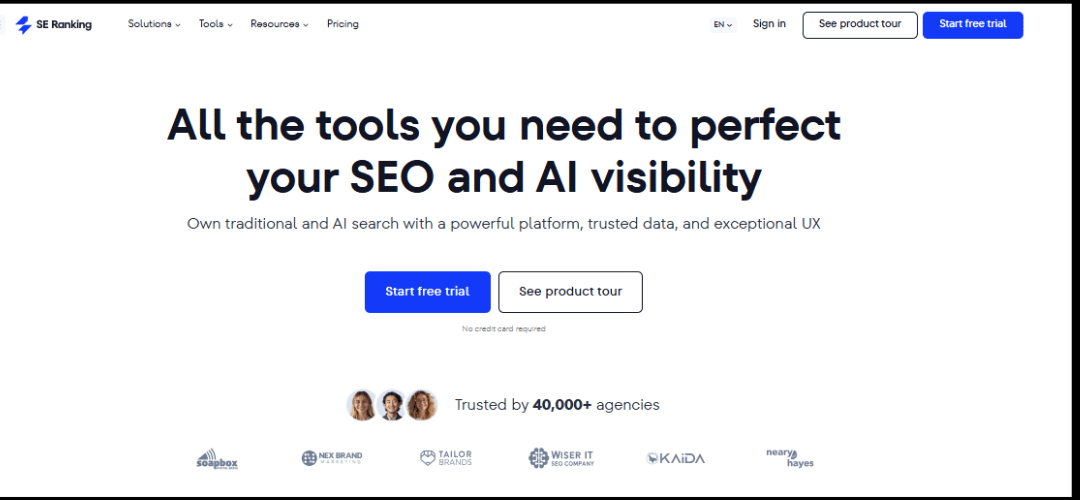
SE Ranking punches well above its price with rank tracking, traffic estimates, site audits, and competitor analysis. Pricing scales by tracked keywords rather than fixed tiers — useful for smaller teams managing tight client budgets.
Key Features: Rank Tracking, Traffic Estimation, Site Audit, Keyword Research, Competitor Analysis, Marketing Plan Builder
Integrations: Google Analytics, Google Search Console, Zapier, Slack, API
| Pros | Cons | |
|---|---|---|
| ✅ | Affordable with flexible keyword-based pricing | ❌ Smaller traffic database than top-tier tools |
| ✅ | Good rank tracking accuracy | ❌ Feels basic for enterprise-scale research |
| ✅ | Strong white-label reporting for agencies | ❌ Backlink data less comprehensive than Ahrefs |
Pricing: From around $52/month. Free trial available.
Best For: Freelance SEOs, small agencies, and budget-conscious teams.
User Reviews: Freelancers and small agencies praise its flexible pricing and say the data holds up well for client reporting without straining the budget.
4. SpyFu
SpyFu is built around PPC competitor intelligence every keyword a rival has bought ads on, estimated spend, and years of ad copy history. Visibility that is hard to find anywhere else at this price.
Key Features: Competitor PPC History, SEO Ranking History, Domain Comparison, Keyword Overlap Tools, Ad History and CPC Estimates
Integrations: Google Analytics, Google Ads, CSV Export, Zapier
| Pros | Cons | |
|---|---|---|
| ✅ | Unmatched historical PPC competitor data | ❌ Traffic estimates less reliable than top tools |
| ✅ | Very affordable entry price | ❌ Interface feels dated compared to newer tools |
| ✅ | Great for reverse-engineering ad strategies | ❌ Limited audience or behavior analytics |
Pricing: From around $39/month. Limited free version available.
Best For: PPC managers focused on competitor ad strategy.
User Reviews: PPC professionals say nothing comes close for ad history depth; the main complaint is an interface that badly needs a redesign.
5. Serpstat
Serpstat covers SEO, traffic, and PPC research at a mid-range price without the cost of SEMrush or Ahrefs. Its gap tools help surface keyword opportunities your rivals are capturing that you are not yet targeting.
Key Features: Site Audit, Traffic Estimates, Competitor Analysis, Keyword Research, Rank Tracking
Integrations: Google Analytics, Google Search Console, Data Export, API
| Pros | Cons | |
|---|---|---|
| ✅ | Good value for the feature breadth offered | ❌ Smaller keyword and traffic database |
| ✅ | Strong competitor gap analysis | ❌ Interface not as polished as competitors |
| ✅ | Reasonable pricing for growing teams | ❌ Traffic accuracy can vary by region |
Pricing: From around $59/month. Limited free plan available.
Best For: Growing SEO teams wanting a balanced mid-range option.
User Reviews: Good value-for-money reputation, with the gap tools being a genuine highlight — though database depth falls short of SEMrush or Ahrefs.
6. SEOmator
SEOmator is a budget-friendly option for technical site auditing and basic traffic insights. It covers the essentials for smaller sites at low cost — though it is not built for deep competitive analysis.
Key Features: Site Audit, Traffic Estimates, Backlink Checks, Page Performance Metrics
Integrations: Google Analytics, Google Search Console, Zapier
| Pros | Cons | |
|---|---|---|
| ✅ | Very affordable entry pricing | ❌ Limited depth for competitive analysis |
| ✅ | Good technical SEO audit capability | ❌ Smaller keyword and traffic database |
| ✅ | Easy to use for non-technical marketers | ❌ Not suitable for enterprise-level research |
Pricing: Budget-tier pricing starting well under $50/month.
Best For: Solo marketers and small businesses focused on on-site health.
User Reviews: Works well for small site owners wanting accessible technical SEO; teams that outgrow it typically move to SE Ranking or SEMrush.
7. Quantcast
Quantcast focuses on who the traffic actually is: demographics, psychographic profiles, behavioral patterns, and advertising audience modeling. More relevant to media buyers and publishers than SEO teams.
Key Features: Audience Segmentation, Demographics and Interests, User Journey Insights, Advertising Audience Modeling
Integrations: Tag Manager, DSP Ad Platforms, Custom API, Data Export
| Pros | Cons | |
|---|---|---|
| ✅ | Deep audience demographic and behavioral data | ❌ Traffic volume data less comprehensive |
| ✅ | Excellent for media buying decisions | ❌ Pricing is custom and can be high |
| ✅ | Strong interest and psychographic profiling | ❌ Less useful for SEO-focused teams |
Pricing: Custom pricing based on usage and team size.
Best For: Media buyers, publishers, and audience-first teams.
User Reviews: Media buyers and publishers rate it highly; the main friction is that pricing requires a full sales conversation to understand.
8. Mixpanel
Mixpanel is a product analytics platform, not competitive intelligence. It tracks what users do inside your site or app funnels, retention, cohort behavior, and event sequences. For understanding your own audience deeply, nothing here comes close.
Key Features: Funnels and Retention Analytics, Cohort Analysis, User Event Tracking, A/B Testing Data
Integrations: iOS and Android SDKs, Analytics API, Zapier, Data Warehouse Exports, CRM Tools
| Pros | Cons | |
|---|---|---|
| ✅ | Best-in-class product behavior analytics | ❌ No competitor or external traffic data |
| ✅ | Generous free plan with real functionality | ❌ Steeper learning curve for non-technical users |
| ✅ | Strong cohort and funnel analysis | ❌ Not a Similarweb replacement for outbound research |
Pricing: Free plan available. Paid plans from around $28/month based on event volume.
Best For: Product teams and SaaS companies tracking in-product user behavior.
User Reviews: SaaS and product teams love it for behavior analytics; non-technical users find setup frustrating but say the data payoff is worth it.
9. Google Trends
Google Trends is free, frequently overlooked, and genuinely powerful as part of a broader toolkit. It shows search interest over time by region, surfaces related queries, and can reveal content opportunities before competitors spot the same trend.
Key Features: Search Interest Over Time, Regional Breakdown, Related Queries, Category Filters
Integrations: CSV Export, Dashboard Connectors, Google Analytics, Google Search Console
| Pros | Cons | |
|---|---|---|
| ✅ | Completely free with no caps | ❌ No actual traffic volume data |
| ✅ | Reliable data sourced directly from Google | ❌ Limited to search trends, not site-level analysis |
| ✅ | Great for content calendar and seasonal planning | ❌ Data is relative, not absolute |
Pricing: Free.
Best For: Content strategists and bloggers validating topic demand before committing to content creation.
User Reviews: Marketers swear by it for seasonal planning and trend spotting — indispensable as a free layer, never a standalone solution.
10. Google Analytics + GA4
GA4 is not a competitive intelligence tool, it is first-party analytics. But no research stack is complete without it. It gives you real, accurate data about your own visitors and serves as the ground truth you measure every other tool against.
Key Features: Real Visitor Traffic, Behavior Analytics, Conversion Tracking, Funnels and Goals
Integrations: Google Search Console, BigQuery, Looker Studio, CRM and Marketing Platforms
| Pros | Cons | |
|---|---|---|
| ✅ | 100% accurate first-party data | ❌ No competitor visibility whatsoever |
| ✅ | Free for most traffic volumes | ❌ GA4 transition is still frustrating for many |
| ✅ | Deep integration with Google’s ecosystem | ❌ Advanced analysis has a steep learning curve |
Pricing: Free. GA360 for enterprise.
Best For: Every website runs this alongside whatever other tool you choose.
User Reviews: Mixed reviews due to the GA4 migration, but most professionals agree it is more capable than its predecessor and non-negotiable as a data foundation.
Feature Comparison — Similarweb vs Top Alternatives
| Feature | Similarweb | SEMrush | Ahrefs | SE Ranking | SpyFu |
|---|---|---|---|---|---|
| Traffic Estimation | ✅ Strong | ✅ Strong | ✅ Strong | ✅ Good | ⚠️ Basic |
| Keyword Research | ⚠️ Limited | ✅ Strong | ✅ Strong | ✅ Good | ✅ Good |
| Backlink Analysis | ❌ Weak | ✅ Good | ✅ Best-in-class | ⚠️ Basic | ⚠️ Basic |
| Competitor PPC Data | ⚠️ Basic | ✅ Good | ❌ Limited | ⚠️ Basic | ✅ Strong |
| Rank Tracking | ❌ No | ✅ Yes | ✅ Yes | ✅ Yes | ✅ Yes |
| Site Audit | ❌ No | ✅ Yes | ✅ Yes | ✅ Yes | ❌ No |
| Audience Segmentation | ✅ Good | ⚠️ Basic | ❌ No | ❌ No | ❌ No |
| API Access | ⚠️ Higher tiers | ✅ Yes | ✅ Yes | ✅ Yes | ❌ Limited |
| Free Plan / Trial | ⚠️ Very limited | ❌ No free trial | ❌ No free trial | ✅ Free trial | ⚠️ Limited free |
| Starting Price | ~$125/month | ~$139/month | ~$129/month | ~$52/month | ~$39/month |
Key takeaway: SEMrush and Ahrefs lead on SEO depth. SE Ranking wins on value. SpyFu owns PPC history. Similarweb leads on audience segmentation above — but Quantcast goes even deeper there.
How to Choose the Best Similarweb Alternative for Your Needs
Solo marketers and bloggers do well with SE Ranking plus Google Trends. Freelance SEOs should go to Ahrefs or SEMrush for rankings and backlink research. Small businesses will find SE Ranking or Serpstat more than capable. Agencies need reliable data and white-label reporting — SEMrush covers the most ground. Media buyers should look at Quantcast. For in-product behavior tracking, Mixpanel stands alone.
Pick based on daily workflow, not feature count.
Pros and Cons of Switching From Similarweb
| Pros | Cons | |
|---|---|---|
| ✅ | Lower cost options for all team sizes | ❌ Learning curve with new interfaces |
| ✅ | Deeper SEO and keyword insights | ❌ Metric differences can confuse teams |
| ✅ | Better integrations for agencies | ❌ Data focus shifts, workflow adjustments needed |
| ✅ | More flexible reporting options | ❌ Team retraining takes time |
Switching makes sense when you need more than raw traffic estimates — the best Similarweb alternatives offer SEO depth and pricing flexibility that pay off the transition fairly quickly.
How to Switch from Similarweb (Step-by-Step)
Audit which reports your team actually uses — most rely on fewer modules than they think. Export saved benchmarks before canceling, run both tools in parallel for 30 to 60 days, and use GA4 as your accuracy baseline. Train by role, not by feature. Expect data discrepancies between platforms — they reflect different methodologies, not errors in your setup.
Conclusion
SEMrush is the best overall replacement for teams wanting traffic analytics, competitive research, SEO, and content tools in one place. It is the most complete option here and tends to feel like a genuine upgrade for agencies consolidating multiple subscriptions — the higher price is easier to justify when it replaces two or three separate tools.
Ahrefs is the stronger pick when SEO and backlink depth are the priority, consistently edging out SEMrush on organic data accuracy. SE Ranking is the standout value option — solid rank tracking, reliable estimates, and clean reporting at a price that suits smaller teams and growing agencies without enterprise budgets.
For teams starting from scratch on a tight budget, SE Ranking combined with Google Trends and GA4 creates a well-rounded foundation that punches above its cost. Scale into SEMrush or Ahrefs when client growth makes the investment worthwhile.
FAQs About Similarweb Alternatives
Is Similarweb outdated in 2026? Not outdated, but outcompeted in specific areas. It holds up for broad market benchmarking, but dedicated SEO tools have clearly surpassed it on keyword and organic data depth.
Which alternative has the best traffic data? SEMrush and Ahrefs consistently produce the most reliable estimates, especially for sites with meaningful organic traffic.
Which audience analytics tool is strongest? Quantcast leads on demographic and behavioral depth, though it is built more for advertisers and media buyers than SEO teams.
Can first-party tools replace Similarweb? GA4 gives you better data about your own site, but cannot show competitor traffic. You need both for a complete picture.
How easy is the migration? Most platforms offer guided onboarding. Budget four to six weeks for parallel-data validation and team training before fully committing.