· By IMRAN HOSSAIN
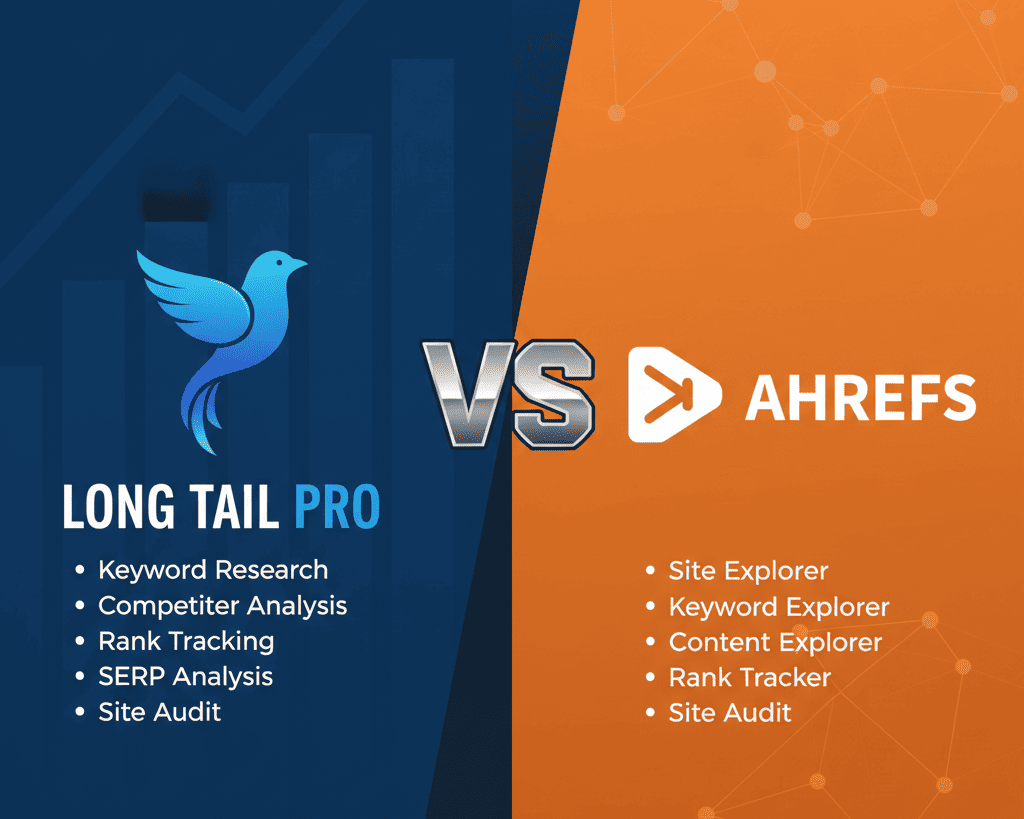
Quick answer: In 2026, you should choose Ahrefs over Long Tail Pro for keyword research. Long Tail Pro has been discontinued since June 5, 2024, making Ahrefs the go-to SEO tool for comprehensive keyword research and analysis.
- Ahrefs offers a complete suite of SEO tools, while Long Tail Pro is no longer available.
- If you need long-tail keyword suggestions, Ahrefs can still provide these effectively.
- Ahrefs remains a leading option for competitive analysis and backlink insights.
What Happened to Long Tail Pro?
Long Tail Pro was once a popular keyword research tool focused on low-competition keywords but ceased operation in June 2024 due to declining reliability. This shift left many users seeking alternatives for keyword analysis and strategy development, primarily looking at more robust options like Ahrefs. Long Tail Pro struggled to keep pace with changing SEO demands and competition, leading to its untimely exit from the market.
What is Ahrefs?
Ahrefs is an all-encompassing SEO suite recognized for its powerful capabilities in backlink analysis and competitive research. It provides a myriad of tools for numerous SEO tasks, including keyword research, site audits, and traffic analysis, accessible directly from a web browser. With a user-friendly interface and extensive databases, Ahrefs enables marketers and businesses to dive deep into SEO processes, making strategic data-driven decisions easier than ever.
Why Is Ahrefs Preferred Over Long Tail Pro?
Ahrefs stands out in 2026 as the leading choice for keyword research and SEO analysis due to its comprehensive features. While Long Tail Pro once addressed specific keyword needs efficiently, its shutdown leaves Ahrefs as the only viable option for in-depth insights into website performance, competitor strategies, and keyword opportunities. Ahrefs not only offers more tools, but it also has a larger database, providing richer data accuracy and expanded options for users wanting to gain a competitive edge.
Which One Fits You Best?
Identifying the right keyword research tool depends on your specific needs:
- New Bloggers or Small Business Owners: Choose Ahrefs for a well-rounded SEO toolkit that covers all aspects of your strategy, not just keywords. Its affordability and robust basics are perfect for those just starting.
- Digital Marketers Focused on Competition: Opt for Ahrefs if you require in-depth competitor analysis and backlink insights. Knowing your competitors is essential for thriving in saturated markets.
- Content Creators on a Tight Budget: As Long Tail Pro is no longer available, Ahrefs offers tiered pricing plans suitable for various budgets, helping you find relevant keywords without overspending.
- Established Agencies: Use Ahrefs for its comprehensive features that facilitate advanced SEO strategies across multiple projects. The depth of analysis offered suits high-stakes environments.
How Much Does Ahrefs Cost in 2026?
As of 2026, Ahrefs offers a pricing plan that starts at $99 per month, with higher plans offering additional features. The standard plan includes tools for keyword exploration, backlink analysis, and site audits to help you comprehensively understand your performance. For advanced users needing more capacity, the $179 per month plan provides enhanced features like advanced reporting and greater historical data access. This pricing reflects the tool’s robust capabilities, making it an excellent investment for serious marketers and businesses that require detailed analysis and reporting.
Essential Features of Ahrefs
Ahrefs includes a variety of features designed for effective keyword research and analysis. Key features include:
- Keyword Explorer: Allows users to discover keyword ideas and analyze their search volume and difficulty. You can enter a seed keyword and receive hundreds of keyword suggestions tailored to your needs.
- Site Explorer: Provides insights into the performance of your website and your competitors’ traffic sources, keywords, and backlinks. This feature allows you to climb the SEO ladder by understanding what works for others.
- Content Explorer: Helps find popular content in your niche, assisting with content creation and ideation. Identify trending topics to stay ahead of the curve with your content marketing.
- Rank Tracker: Monitors your keyword ranking over time to assess performance and make necessary adjustments. This tool is essential to track effectiveness and gauge success rates for targeted keywords.
Common Mistakes to Avoid When Using Ahrefs
While using Ahrefs can be immensely beneficial, there are common pitfalls to be mindful of:
- Overlooking Backlink Quality: Not all backlinks are equal; prioritize quality over quantity to enhance your SEO impact. Focus on gaining links from high-domain authority websites in your niche.
- Ignoring Competitor Analysis: Failing to analyze competitors can lead to missed opportunities in keyword targeting and content marketing. Regularly study successful competitors to refine your strategies.
- Neglecting On-Page SEO: Focusing solely on backlinks can divert attention from essential on-page optimization strategies. Balancing both aspects is vital to achieving optimal results in search rankings.
Hidden Costs and Considerations with Ahrefs
While Ahrefs provides extensive features, users should be aware of potential hidden costs. Custom features or advanced analytics may require opting for higher pricing tiers. Additionally, teams requiring multiple user accounts will need to budget for higher plans to accommodate each user, which significantly increases overall expenses. For agencies, these costs can multiply quickly, so planning accordingly is crucial to ensure you are maximizing your investment.
Realistic Example Scenarios
Here are two realistic scenarios illustrating how Ahrefs meets various user needs:
Scenario 1: New Blogger
Jane has started a lifestyle blog and wants to increase her online visibility. She decides to use Ahrefs’ Keyword Explorer. By inputting the keyword “healthy recipes,” she discovers related long-tail keywords like “healthy dinner recipes for weight loss.” Armed with this data, she creates targeted content that attracts more traffic.
Scenario 2: Competitive Marketer
Tom works for a digital marketing agency. He uses Ahrefs’ Site Explorer to analyze a competitor’s website. By identifying their top-performing pages and backlink sources, he devises a strategy to outperform them in search rankings by targeting similar keywords and acquiring links from the same high-authority sites.
FAQs
- Is Long Tail Pro a good alternative to Ahrefs? Long Tail Pro was a budget-friendly option for long-tail keyword research, but it’s now obsolete.
- Which platform is better for finding long-tail keywords? Long Tail Pro excelled in this aspect but is no longer in service; Ahrefs now provides solid alternative solutions.
- How do their pricing models compare? Long Tail Pro had lower pricing structures, but it is not available anymore; Ahrefs starts at $99 per month.
- Which one is better for competitive analysis? Ahrefs is superior for competitive analysis, providing comprehensive insights into competitor tactics and backlinks.
- Do they both offer a free version? Long Tail Pro is discontinued, while Ahrefs provides limited free access through its Ahrefs Webmaster Tools.
- Can I track my search rankings with both? Yes, Ahrefs has a powerful Rank Tracker, while Long Tail Pro’s functionalities are no longer available.
Alternatives Worth Considering
Even though Ahrefs is a leading tool, there are alternatives that could be worth exploring, particularly for specific use cases:
- SEMrush: Offers extensive keyword research features and a comprehensive suite for SEO, PPC, and content marketing.
- Moz Pro: Known for its user-friendly interface and tools, ideal for small businesses looking to ramp up their SEO.
- Ubersuggest: A budget-friendly tool that provides keyword suggestions and competitive analysis without breaking the bank.
Decision Checklist for Choosing an SEO Tool
When evaluating SEO tools, consider using this checklist to make an informed decision:
- Assess your budget vs. available plans and features.
- Evaluate whether you need a wide range of SEO tools or just keyword research capabilities.
- Consider the ease of use and availability of tutorials and customer support.
- Determine the importance of competitor analysis for your strategy.
- Analyze the depth and reliability of the keyword database.