
· By IMRAN HOSSAIN
Quick answer: Choosing between the Amazon Kindle Paperwhite and the Apple iPad in 2026 hinges on your reading and multifunctional needs. The Kindle offers an unparalleled reading experience with its e-ink screen, while the iPad provides versatility for activities like gaming and productivity.
- The Kindle excels at providing a dedicated reading experience with a glare-free screen.
- The iPad is perfect for users seeking a multifunctional device for browsing, apps, and media.
- Your choice should reflect personal preferences and usage patterns.
- Consider weight and battery life as key factors in your decision.
- Pricing differences are substantial, with the Kindle being more budget-friendly.
How Do the Kindle and iPad Compare?
The Kindle Paperwhite and the Apple iPad serve distinct purposes, despite sharing some similarities. The Kindle is tailored primarily for reading, thanks to its e-ink display that mimics printed text. In contrast, the iPad functions as a versatile tablet featuring various apps for entertainment, productivity, and communication. This guide will assist you in identifying which device aligns better with your lifestyle, reading habits, and overall use case.
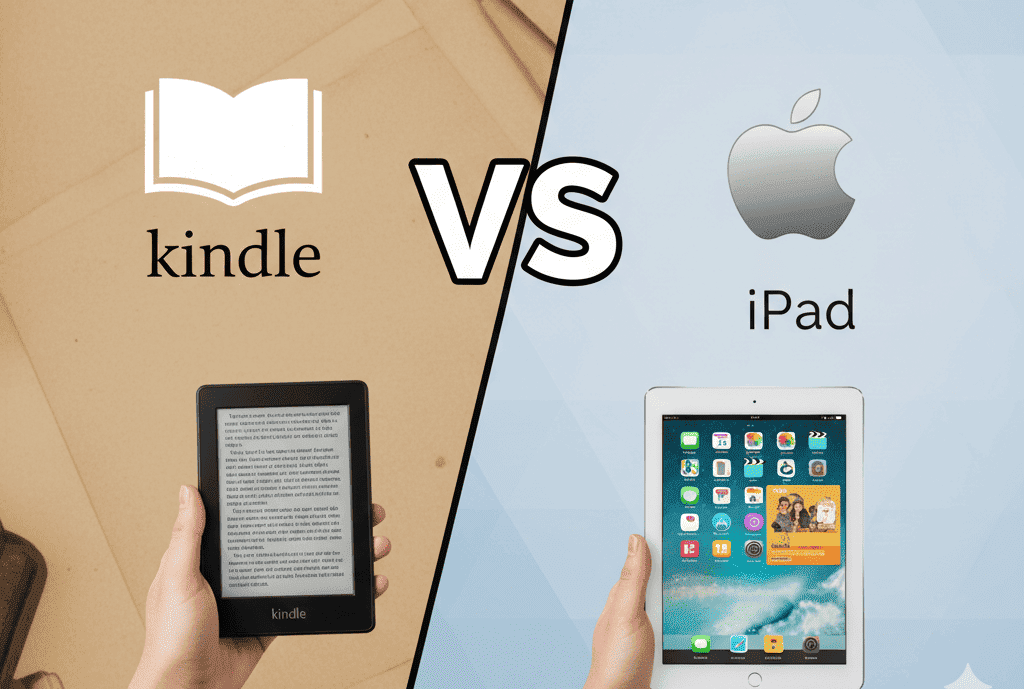
Kindle vs iPad: Quick Comparison Table
This table outlines the key differences between the two devices:
| Feature | Kindle Paperwhite | iPad (Standard or Mini) |
|---|---|---|
| Display | 6.8” e-ink screen (black & white, glare-free) | 8.3” Retina (Mini) or 10.2” Retina (Standard) |
| Eye Comfort | Feels like paper, gentler on the eyes | Bright screen; can induce eye strain |
| Battery Life | Lasts 6–10 weeks on a single charge | Approximately 10 hours per charge |
| Weight | Around 205 grams | 300–500 grams |
| Apps | Mostly reading-focused | Thousands of options (games, productivity, streaming) |
| Price | Around $140 | Starts at $329 (higher for Mini) |
What is the Reading Experience Like?
Kindle Paperwhite
The Kindle Paperwhite is specifically engineered for readers, featuring an e-ink screen that resembles the look of traditional pages, allowing for extended reading sessions without causing discomfort. Its screen is designed for outdoor clarity, minimizing glare and making it easy to read even under bright sunlight. Additionally, the adjustable brightness caters to comfortable reading in low-light environments, enhancing your overall experience.
iPad
The Apple iPad showcases a vibrant LCD or Retina display, making it suitable for colorful content like magazines, comics, and illustrated books. The intuitive touch interface supports gestures like pinching and swiping for seamless navigation between apps. However, the iPad’s bright screen may lead to eye fatigue with prolonged use, especially in dim conditions. Using features like Night Shift can alleviate some strain, but e-ink technology still offers superior comfort.
Verdict: If your primary goal is reading for long periods, the Kindle shines. For a varied reading experience that includes visuals and interactive content, the iPad is preferable.
How Do Portability and Battery Life Compare?
Kindle Paperwhite
The Kindle Paperwhite is exceptionally lightweight and slim, fitting easily into bags or jackets, making it ideal for travel. Most users report that they only need to recharge the device once a month, even with regular reading habits. This extended battery life makes it especially suitable for vacations or daily commutes without the need for frequent charging.
iPad
The iPad, while compact, carries more weight and is bulkier compared to the Kindle. Although it fits well in backpacks, it doesn’t provide the same level of portability. Its battery lasts around 10 hours on a full charge, which means you may need to pack a charger for all-day usage. The need to recharge more frequently can be a drawback during intense usage periods or while traveling.
Verdict: For travelers, the Kindle’s lightweight and prolonged battery life provide a superior experience. The iPad requires more frequent charging, making it less convenient for long outings.
What About App Ecosystem and Functionality?
Kindle Paperwhite
The Kindle Paperwhite boasts a straightforward app ecosystem, largely focused on reading. You can purchase and download e-books directly from the Kindle Store, subscribe to Kindle Unlimited for access to thousands of titles, and listen to audiobooks through Bluetooth headphones. However, the Kindle lacks apps for social media and other distractions, promoting a dedicated reading environment.
iPad
The iPad functions almost like a compact computer, giving you access to a plethora of applications for various functionalities, reading, gaming, web browsing, and more. This flexibility enables quick transitions between tasks, whether you’re reading a book, browsing the internet, or managing work documents. However, this also introduces potential distractions that might detract from a focused reading experience.
Verdict: If you seek a purely focused reading environment, the Kindle is ideal. However, if you desire versatility with multiple applications, the iPad provides that capability.
Are There Differences in Eye Comfort and Health?
- Kindle: The e-ink display mimics the look of paper, reducing eye strain and making it easier to read for hours, even outdoors. It’s especially suitable for readers of all ages.
- iPad: While the vibrant display is appealing, extended exposure can lead to discomfort or fatigue. The iPad’s Night Shift and Dark Mode may offer relief, but watching a bright screen for long hours remains taxing on the eyes.
Winner: The Kindle Paperwhite offers a healthier reading option due to its eye-friendly technology.
How Does Content Availability Compare?
- Kindle Paperwhite: You can access the vast Amazon Kindle Store for immediate e-book purchases and enjoy the benefits of Kindle Unlimited for extensive reading options. It also integrates well with Audible for audiobook functionalities.
- iPad: The iPad supports multiple content platforms, including the Kindle app, Apple Books, Google Play Books, and Scribd. This vast compatibility enhances your ability to explore diverse reading materials.
Winner: While the iPad provides a broader range of content formats, the Kindle excels for those focused solely on e-books, making it a dedicated choice for avid readers.
What About Pricing and Overall Value?
- Kindle Paperwhite: With a retail price around $140, it presents a highly economical option for those whose primary interest is reading. This value is compounded by its durability and effective functionality for years.
- iPad: Starting at about $329 for the standard model, with the iPad Mini going higher, it is a more substantial investment but comes with a wider array of features and functionalities.
Summary: The Kindle offers a cost-effective route for dedicated readers, while the iPad provides long-term value for multi-taskers who use a variety of applications.
What Are Some Hidden Costs and Considerations?
When evaluating these devices, it’s essential to consider potential hidden costs and accessories. For instance, a Kindle user might spend an additional $60 on a protective case and another $120 annually for a Kindle Unlimited subscription. In contrast, iPad users may require purchases such as a stylus for note-taking, productivity apps, or even AppleCare for device protection, increasing ownership costs significantly. Being aware of these factors can provide a more comprehensive understanding of what each device entails financially.
Who Should Choose Which Device?
Your decision should align closely with your reading habits and lifestyle needs:
- Choose Kindle if:
- You read frequently and prefer a lightweight, dedicated reading device.
- You want to enjoy months of battery life without hassle.
- You seek a distraction-free experience.
- You plan to read outdoors, needing a glare-free screen.
- Choose iPad if:
- You desire a device that serves multiple functions beyond reading.
- You require educational apps alongside reading materials.
- You appreciate interactive content, such as comics and multimedia magazines.
- Consider Both if:
- You enjoy reading yet want access to videos, games, or productivity tools.
- You see the value in having a specialized reading device and a multifunctional tablet.
FAQs
- Can an iPad replace a Kindle? Yes, you can install the Kindle app on the iPad. However, the Kindle’s e-ink display significantly reduces eye fatigue during prolonged reading sessions.
- Is Kindle better for kids than iPad? Yes, the Kindle is safer and more comfortable for children’s eyes and generally has fewer distractions, while the iPad offers educational apps ideal for learning.
- Do both devices work offline? Yes, both the Kindle and iPad allow you to download content for offline reading or viewing, ensuring you can access your materials anywhere.
- Is the Kindle Paperwhite waterproof? Yes, the Kindle Paperwhite boasts an IPX8 rating, making it resistant to water and safe for reading at the beach or in the bath.
- Is there a Kindle subscription service available? Yes, Kindle Unlimited offers subscribers access to a vast selection of e-books for a monthly fee, providing excellent value for avid readers.
- Can I use the Kindle app on the iPad? Yes, the Kindle app is available for download on the iPad, allowing you to read your Kindle books on that device.
Conclusion
In conclusion, the choice between the Amazon Kindle Paperwhite and the Apple iPad boils down to your specific reading preferences and multifunctional needs. The Kindle excels for dedicated readers valuing comfort, extended usability, and low distraction, while the iPad caters to those who prioritize versatility in a multi-tasking device. If both functionalities appeal to you and your budget allows, investing in both devices can enable a seamless transition between focused reading on the Kindle and comprehensive productivity on the iPad.